
PGTI – Objectives, Challenges and the Future of Professional Golf in India

PGTI – Objectives, Challenges and the Future of Professional Golf in India
The Professional Golf Tour of India (PGTI) is the governing body for men's professional golf in India. Its primary responsibility is to develop professional golfers, organise competitive tournaments and create opportunities for Indian players to compete successfully on the international stage.
Unlike the Indian Golf Union (IGU), which focuses primarily on amateur and junior golf, the PGTI concentrates on the professional game and helps talented golfers build sustainable careers.
Key objectives of PGTI
- Develop professional golf: Build a strong domestic professional tour with regular, high-quality tournaments across India.
- Create career opportunities: Provide Indian professional golfers with opportunities to earn prize money, attract sponsorships and develop long-term careers.
- Develop international champions: Prepare Indian golfers to compete on leading international tours, including the DP World Tour and Asian Tour.
- Expand the tournament network: Encourage professional tournaments in emerging golfing centres, beyond traditional venues.
- Attract corporate investment: Build partnerships with sponsors, businesses and media organisations to increase prize funds and improve tournament standards.
- Promote emerging talent: Provide a competitive pathway for talented amateurs transitioning into professional golf.
- Increase golf's visibility: Strengthen media coverage, spectator interest and public awareness of professional golf in India.
Major challenges facing PGTI
Challenge Impact
Limited sponsorship Restricts prize funds and the number of tournaments
High cost of professional golf Travel, coaching, equipment and accommodation put pressure on players
Limited access to courses Tournament scheduling and practice facilities can be difficult to secure
Concentration in established golf centres Fewer competitive opportunities in emerging regions
Limited television and digital exposure Reduces public awareness and commercial value
Transition from amateur to professional Young players face financial and competitive uncertainty
International competitiveness Players require exposure to stronger international fields
A particularly important challenge is financial sustainability for developing professionals. While leading players may attract sponsors and earn significant prize money, golfers further down the rankings often face substantial expenses without guaranteed earnings.
PGTI
The organisation has achieved several important milestones under President Kapil Dev and CEO Amandeep Johl.
World partnership: A major multi-year title sponsorship announced in January 2026.
NexGen Tour: Expanded playing opportunities for emerging professionals, with ₹25 lakh prize purses per event in 2026.
International pathways: Stronger relationships with the DP World Tour and PGA TOUR.
2027 priorities: More co-sanctioned international tournaments and higher prize money, as reported on 16 October 2026.
What PGTI should focus on in Western India
Mumbai, Pune and Ahmedabad offer opportunities to strengthen professional golf. Five priorities would be particularly valuable:
Introduce more PGTI and NexGen events in Maharashtra and Gujarat.
Establish sponsorship programmes supporting young professionals entering the tour.
Build stronger connections between IGU junior competitions and PGTI qualifying opportunities.
Encourage corporate participation in tournament sponsorship and player development.
Partner with golf communities and clubs to attract spectators and increase awareness of professional golf.
The larger opportunity is to make professional golf a viable career for more talented Indian players, rather than a sport accessible only to those with substantial financial support.
For a positive newspaper feature, I would recommend the headline:
“PGTI Transforming Indian Professional Golf: Bigger Prize Money, Global Opportunities and a New Generation of Champions.”
The story can highlight the achievements of Kapil Dev's leadership while explaining the challenges that still need to be addressed.

Golf Etiquette: Safety Before Every Shot
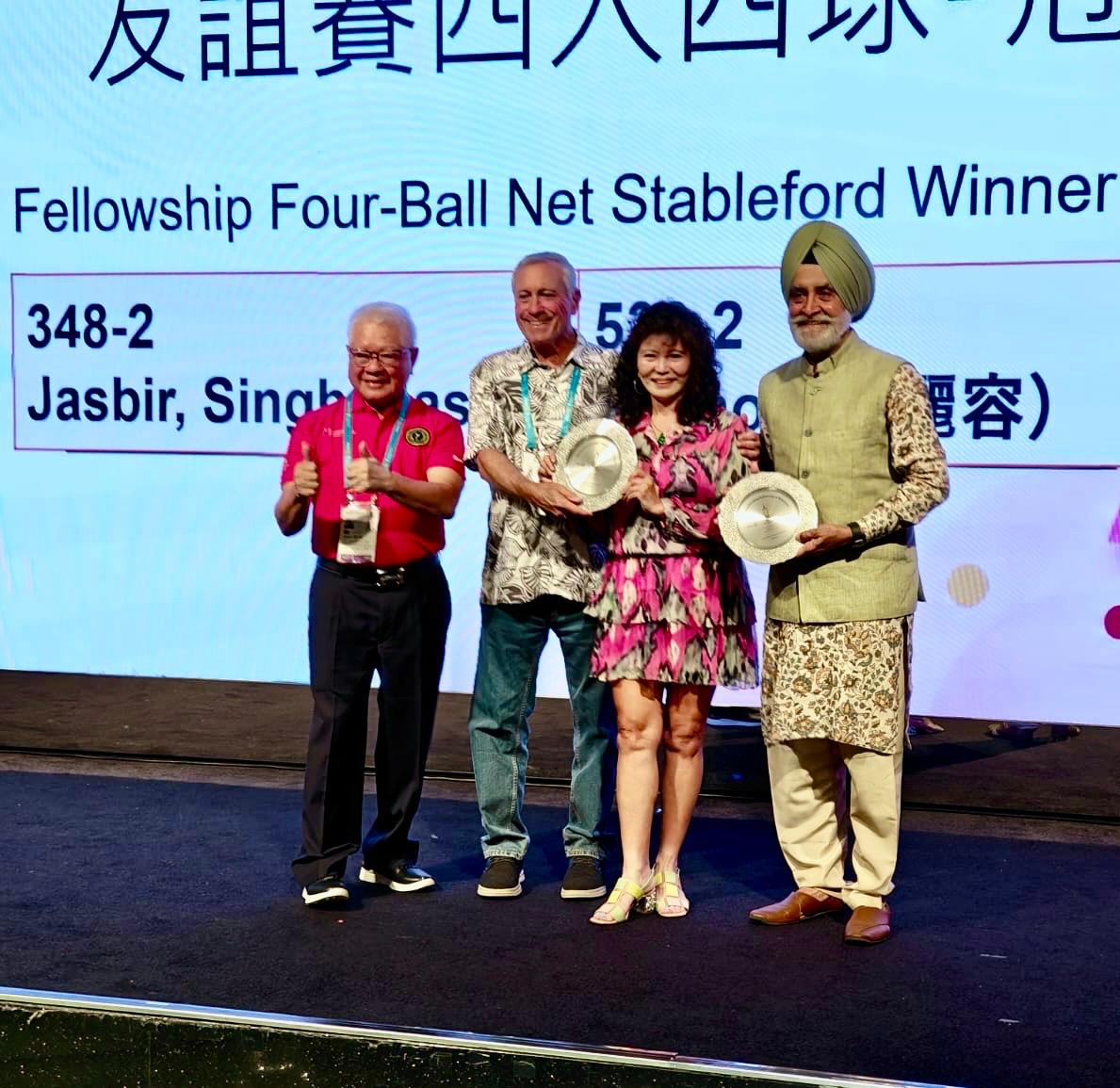
DRS Golfer Jasbir Singh Shines in Taiwan, Wins International Golf Title Taiwan | Golf News

DRS Monsoon League 2026 Concludes with Honours for Winners and Emerging Talent

Why is spectator footfall low at DP World Tour golf events in India?